Optimal Timing for Foundation Repairs
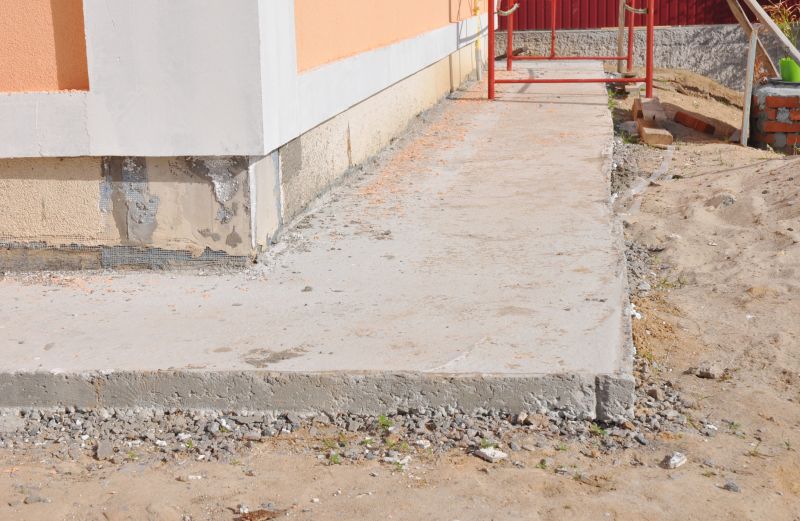
Spring offers favorable conditions for foundation repairs due to moderate temperatures and soil moisture levels.
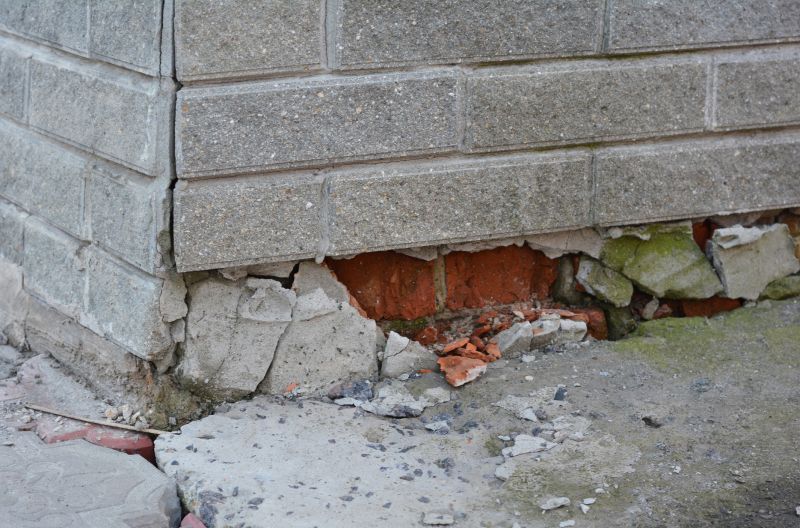
Summer can be suitable for repairs when soil is dry, but extreme heat may cause additional soil movement.
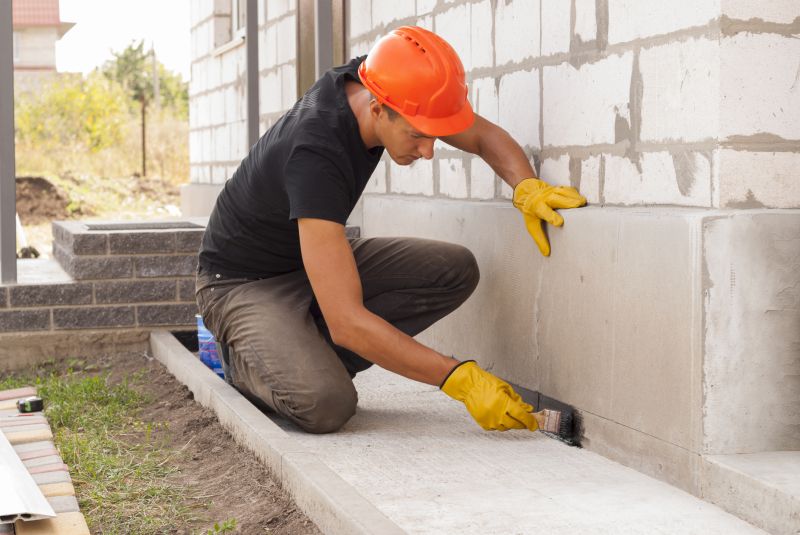
Fall provides cooler temperatures and stable soil conditions, making it an ideal time for repairs.
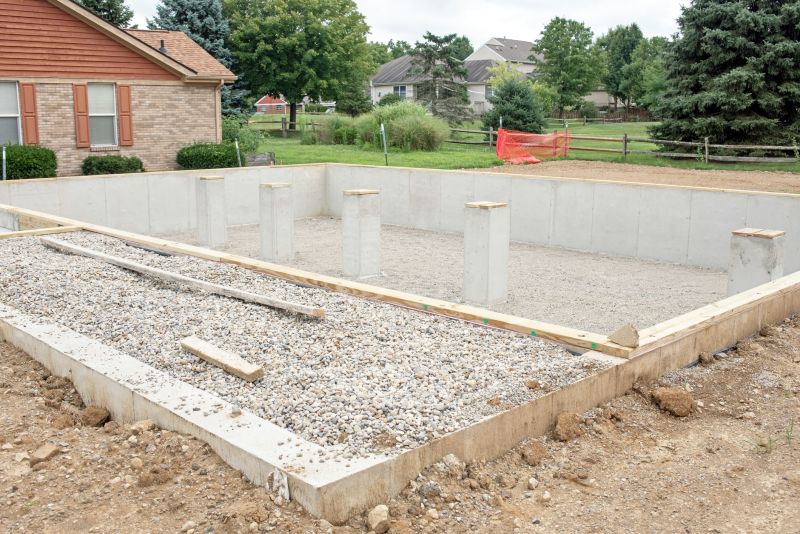
Winter is generally less favorable due to freezing temperatures and soil contraction, but some repairs can be performed if conditions allow.
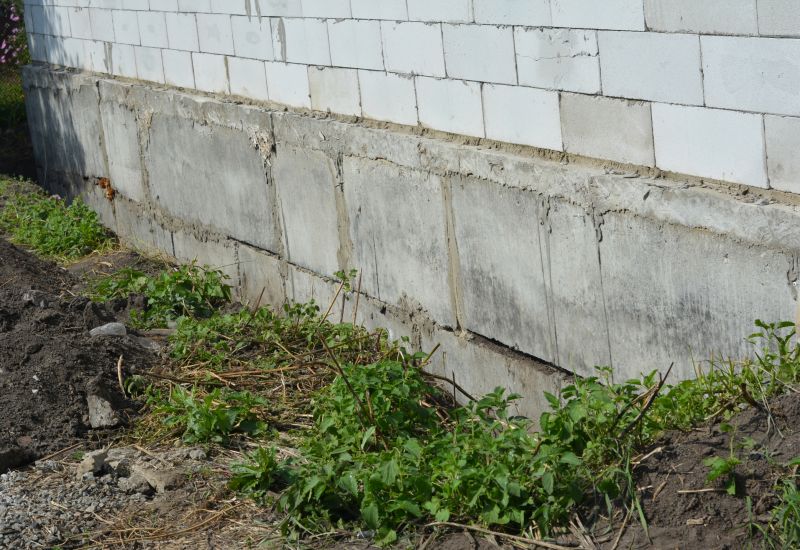
Timing repairs during periods of stable soil moisture minimizes movement and potential damage.
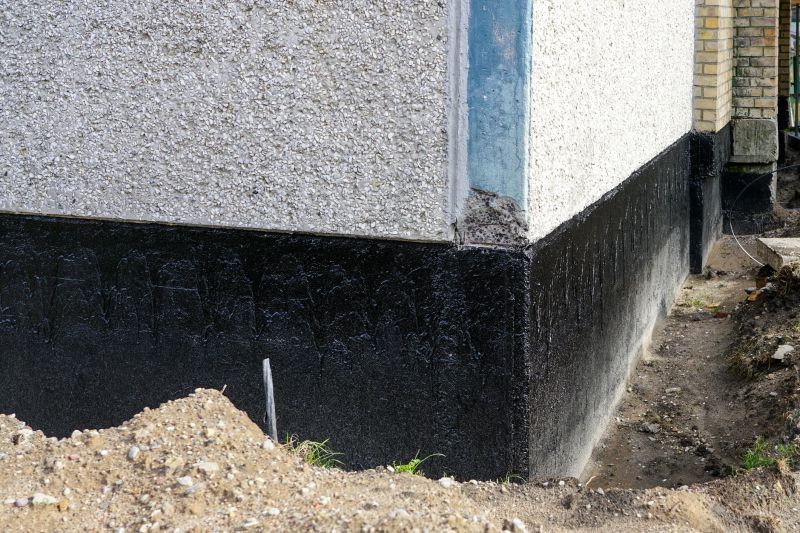
Avoiding periods of heavy rain or extreme cold helps ensure the effectiveness of foundation repair work.
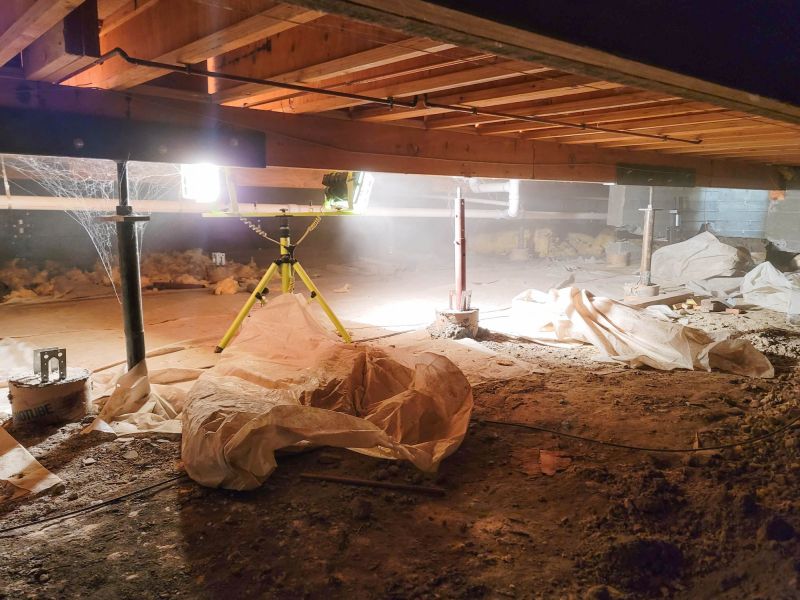
Ways to make Foundation Repairs work in tight or awkward layouts.
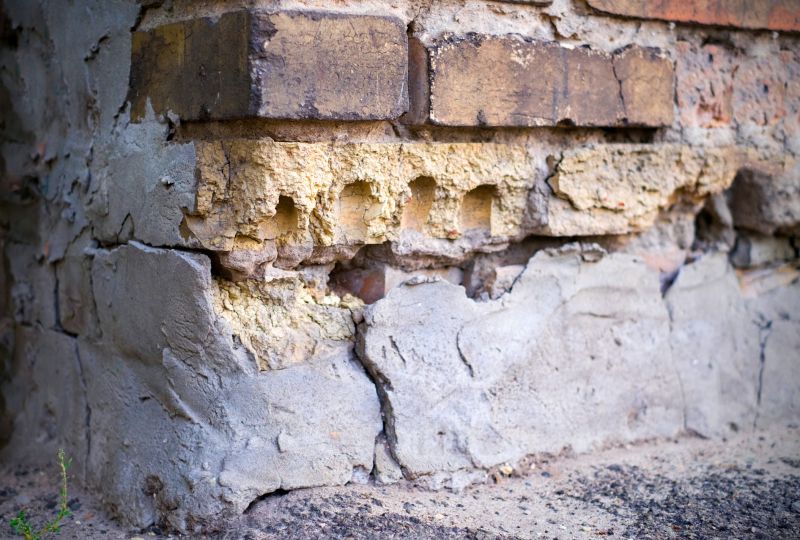
Popular materials for Foundation Repairs and why they hold up over time.
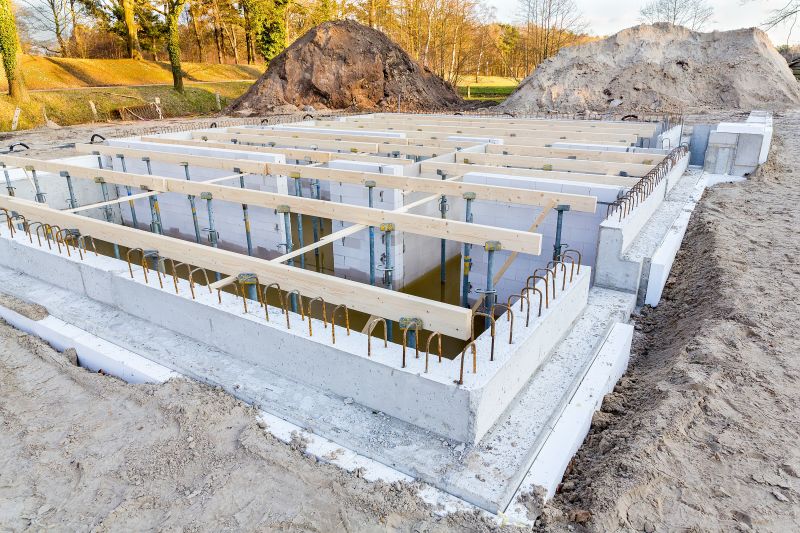
Simple add-ons that improve Foundation Repairs without blowing the budget.
Foundation repairs are essential for maintaining the structural integrity of a building. The timing of these repairs can significantly influence their success and longevity. Properly scheduled repairs reduce the risk of further damage caused by soil movement, moisture fluctuations, and temperature changes. Understanding seasonal soil behavior and weather patterns helps determine the most appropriate time for foundation work.
Statistics indicate that foundation issues are among the most common structural problems in residential buildings. Approximately 25% of homes experience some form of foundation settlement or shifting during their lifespan. Timely repairs can prevent costly damages and extend the lifespan of a property. Factors such as soil type, climate, and construction practices influence when repairs should be performed for optimal results.
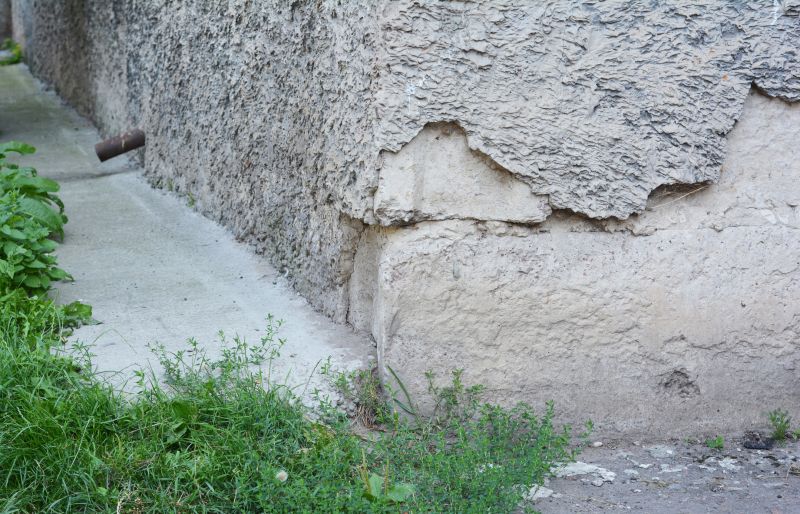
Cracks in walls, uneven floors, and sticking doors are common indicators of foundation issues.
Common methods include piering, underpinning, and slabjacking, depending on the damage.
Repair costs vary based on the extent of damage, repair method, and property size.
A qualified inspection helps determine the best repair approach and timing.
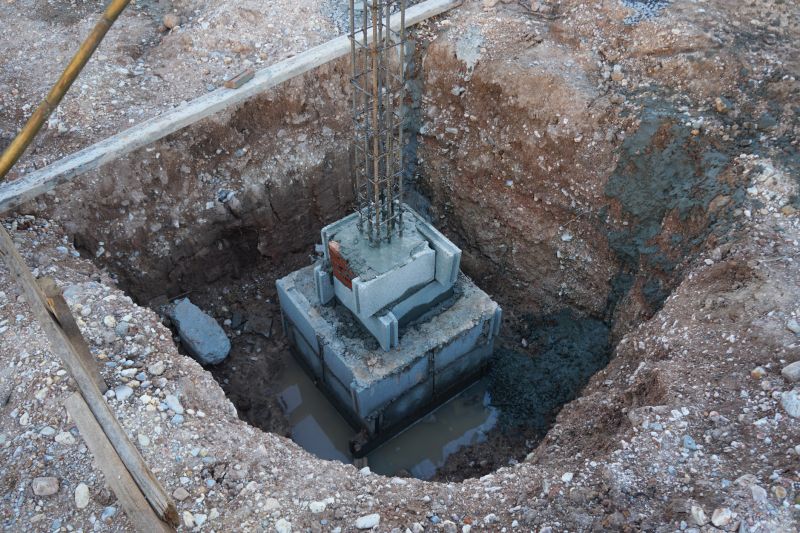
A typical repair involves assessment, excavation, and stabilization techniques.
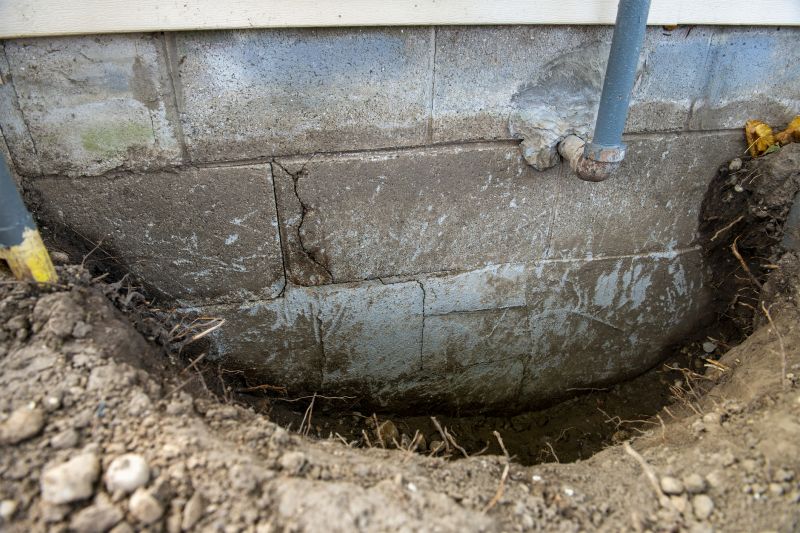
Visual evidence of successful foundation repairs demonstrates effectiveness.
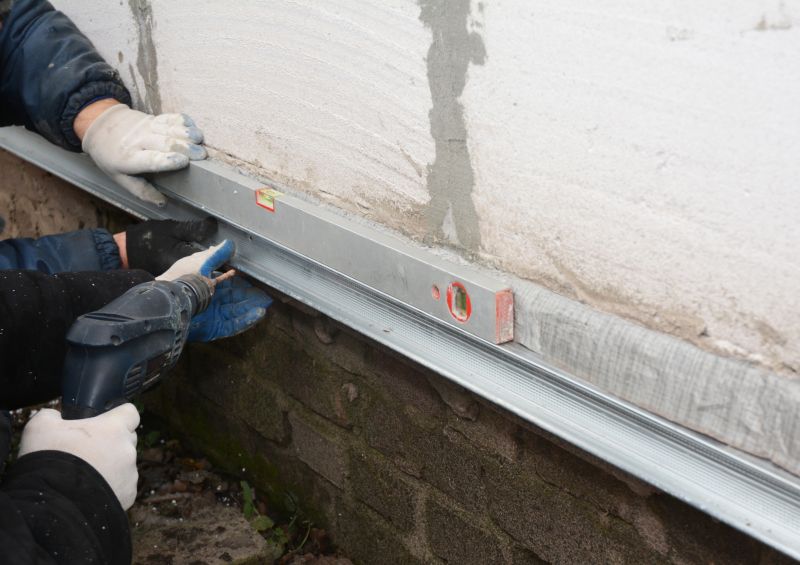
Heavy machinery and specialized tools are utilized for precise work.
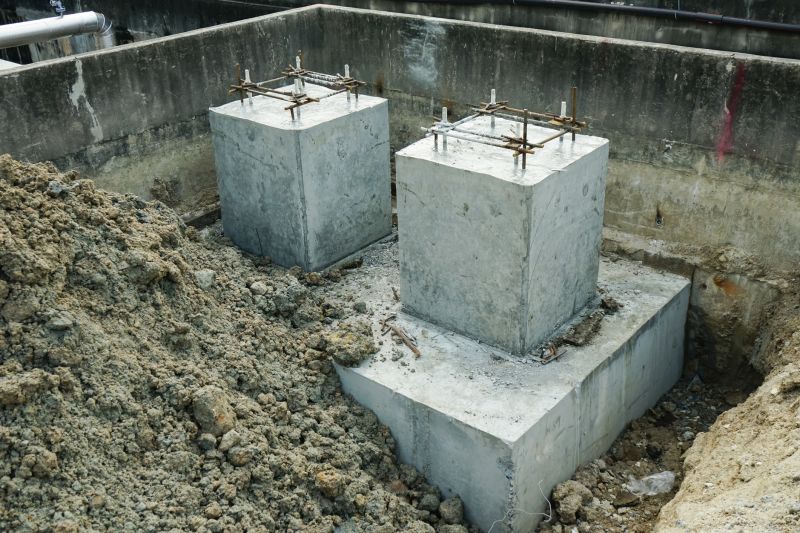
Piering involves installing supports beneath the foundation to lift and stabilize.
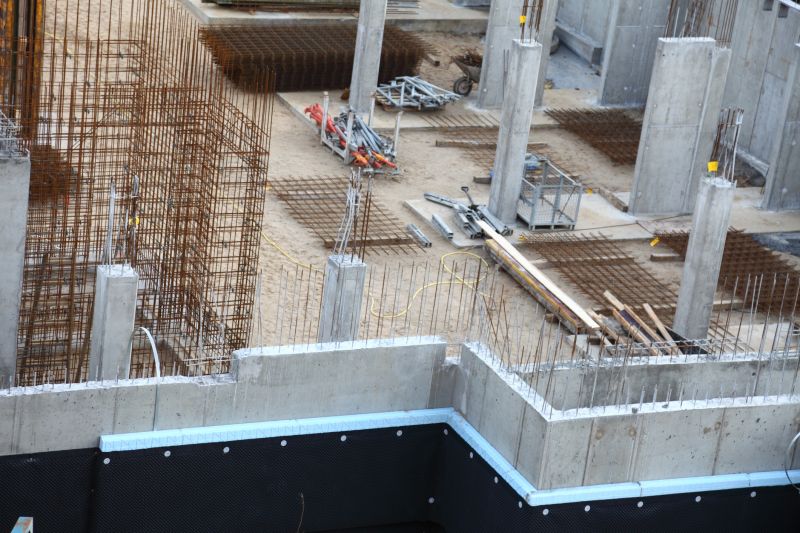
Techniques like soil injection and compaction improve ground stability.
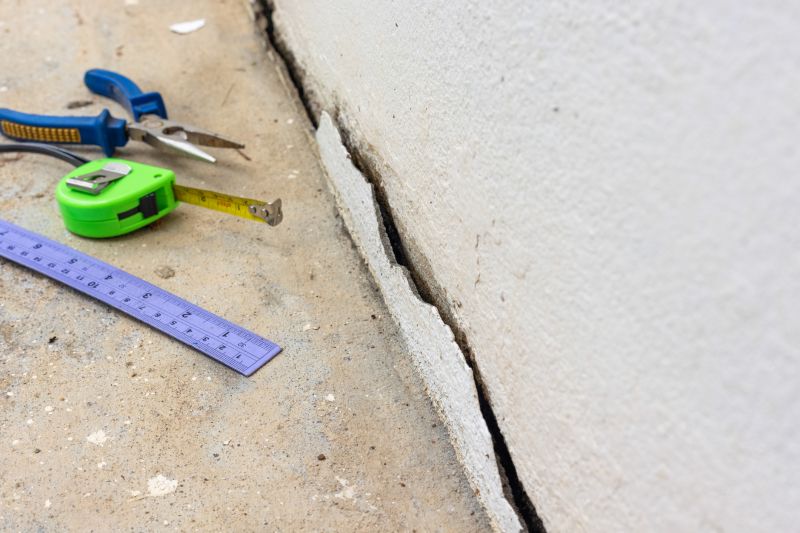
Post-repair monitoring ensures long-term stability.
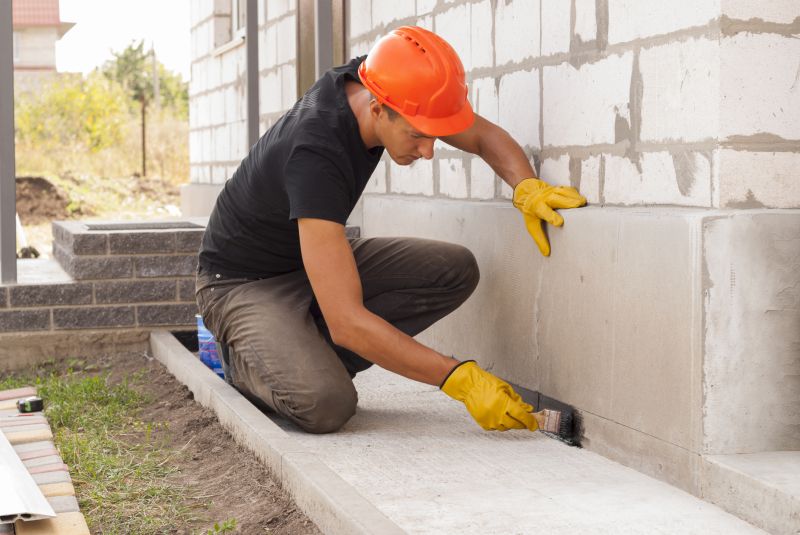
Experienced professionals utilize advanced techniques for durable solutions.
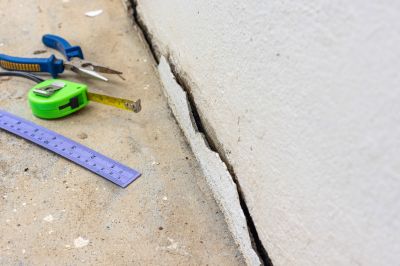
State-of-the-art tools facilitate efficient and accurate repairs.
| Season | Ideal Conditions |
|---|---|
| Spring | Moderate soil moisture, mild temperatures |
| Summer | Dry soil, high temperatures, avoid extreme heat |
| Fall | Cooler temperatures, stable soil moisture |
| Winter | Freezing temperatures, soil contraction, limited options |
Choosing the right time for foundation repairs depends on seasonal soil behavior, weather patterns, and specific property conditions. Consulting with foundation specialists can help determine the optimal window for repairs, ensuring the work is effective and durable. Proper timing minimizes the risk of further damage and maximizes the longevity of the repair.
For properties in Littleton, Colorado, understanding local climate patterns is crucial. Spring and fall generally provide the best conditions for foundation work due to moderate temperatures and soil stability. Winter repairs are possible with specialized techniques, but summer repairs require careful planning to avoid heat-related soil movement. Regular inspections are recommended to identify issues early and plan repairs accordingly.
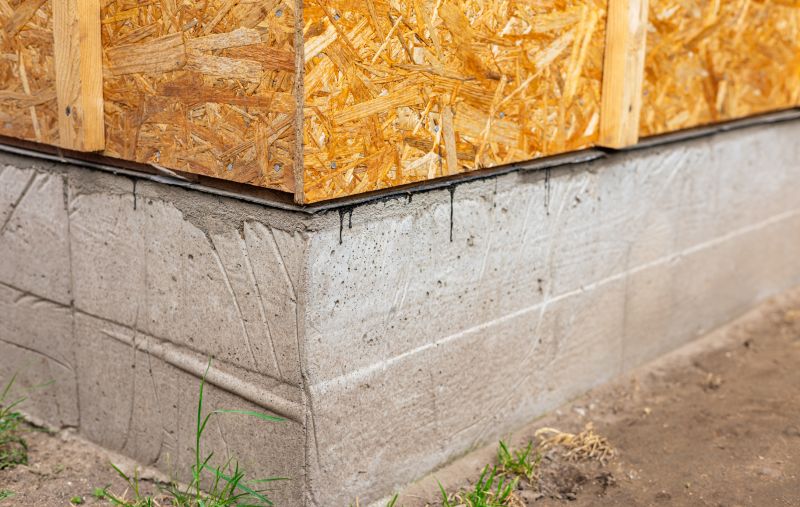
Scheduling repairs during favorable weather conditions ensures better results.
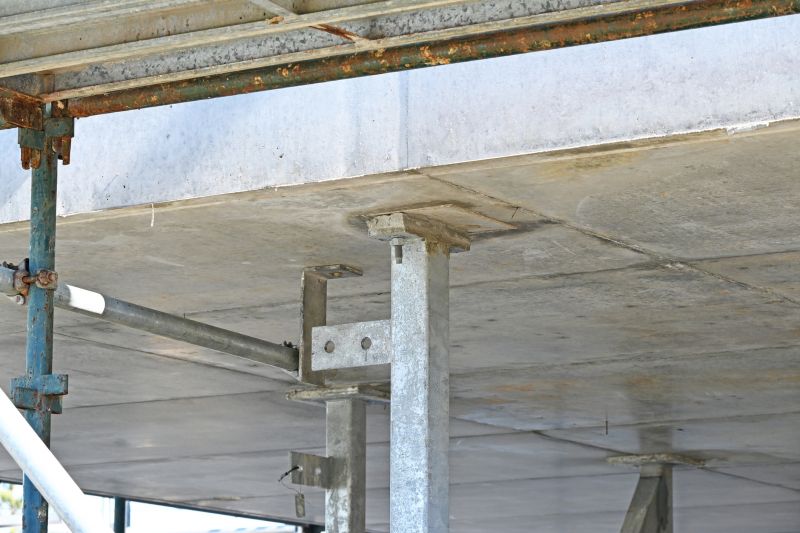
Methods like underpinning and piering are used to restore stability.
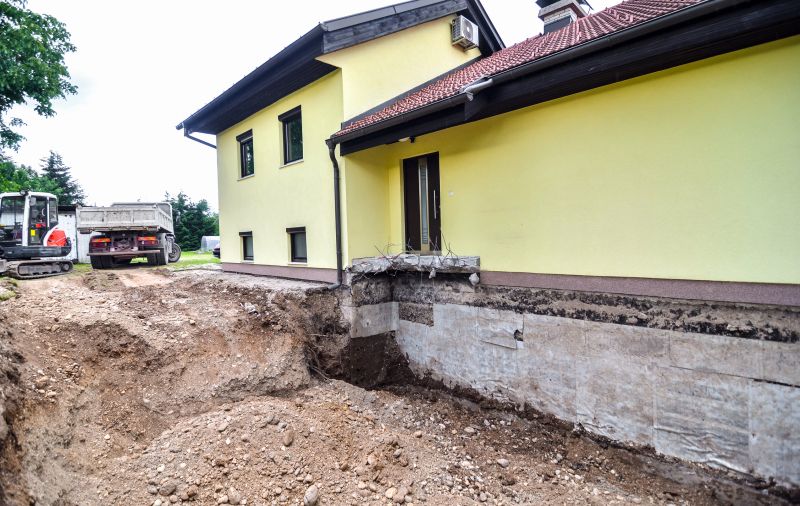
Advanced machinery enhances repair precision and efficiency.
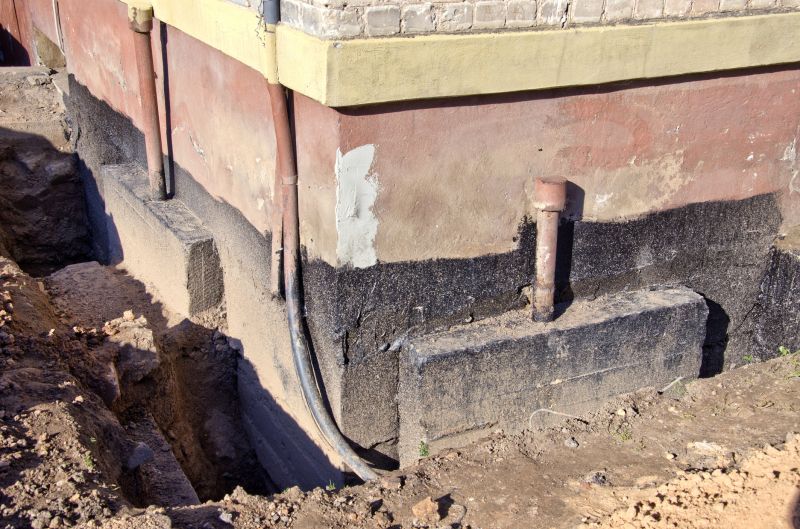
Visual examples of successful stabilization projects.
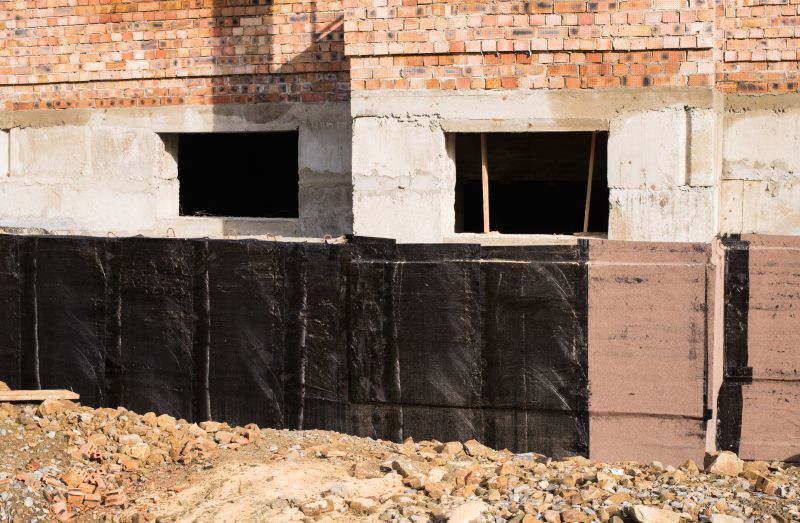
Finishes and colors that play nicely with Foundation Repairs.
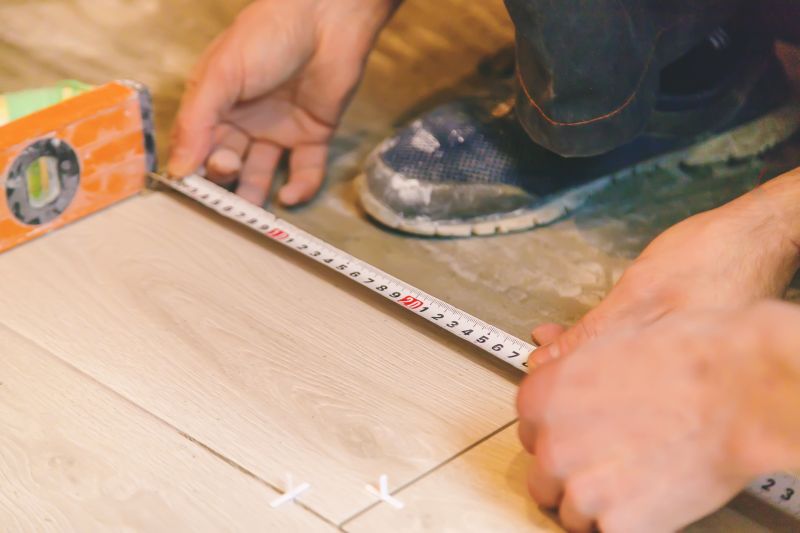
Little measurements that prevent headaches on Foundation Repairs day.
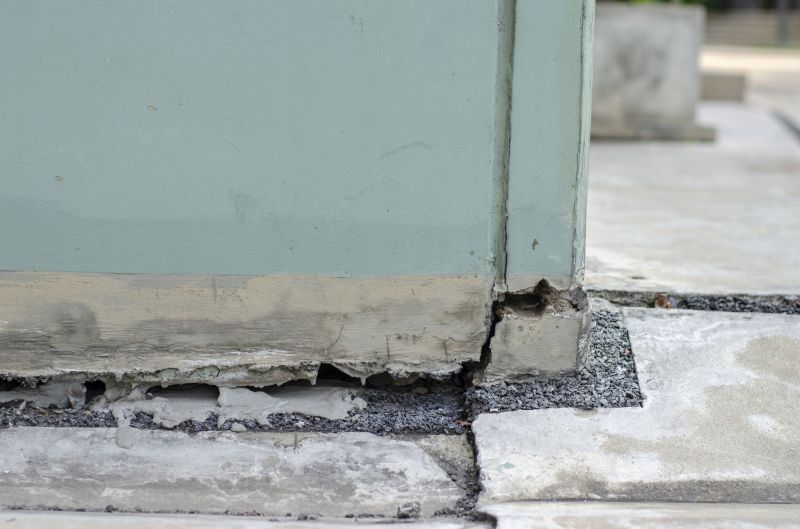
A 60-second routine that keeps Foundation Repairs looking new.
A frequent mistake in Foundation Repairs and how to dodge it.
Interested property owners are encouraged to contact for assessments and repair planning. Proper timing and professional execution are key to maintaining structural integrity and avoiding costly future repairs.